
Keeping Your Garden Happy During Summer Heat
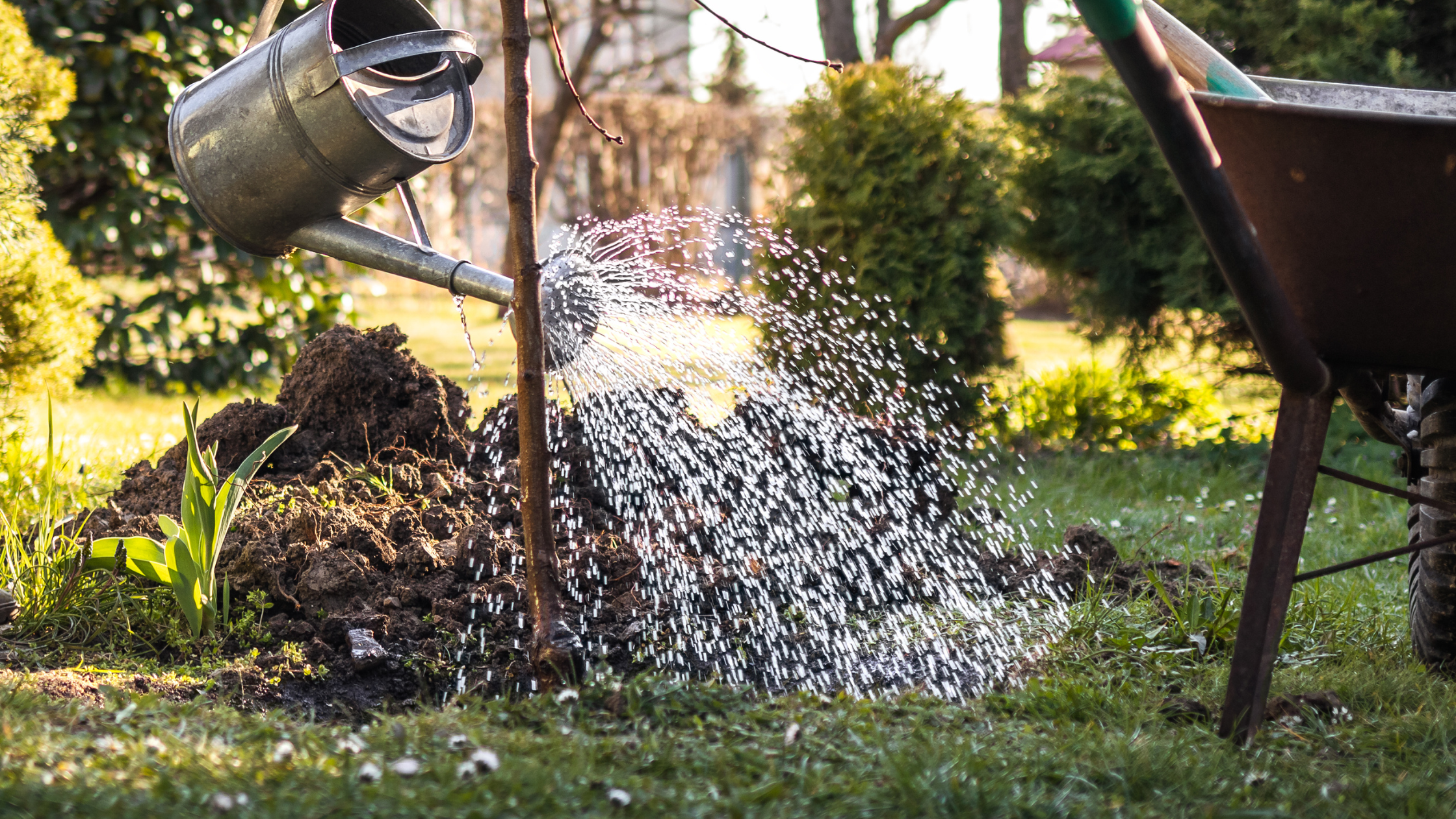
Summer is one of the most beautiful seasons in the garden—but it can also be one of the most challenging. Extended periods of high temperatures and little rainfall can put stress on even well-established landscapes. Fortunately, a few simple adjustments to your routine can help your plants stay healthy, vibrant, and resilient throughout the hottest weeks of the year.
Water Deeply, Not Frequently
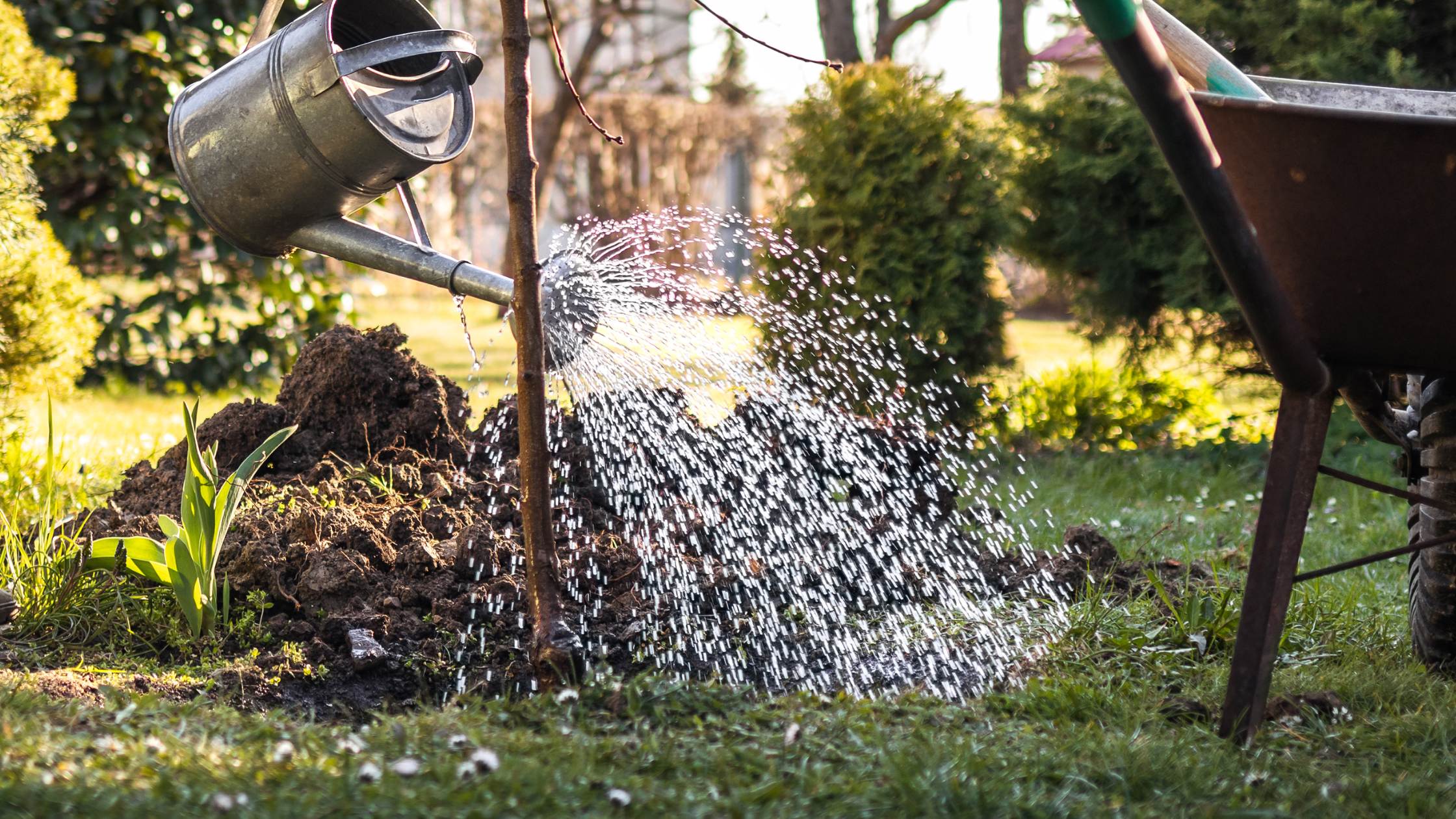
When temperatures climb, it's tempting to give your plants a quick drink every day. However, shallow watering encourages roots to remain close to the surface, where the soil dries out the fastest.
Instead, water deeply and thoroughly, allowing moisture to soak several inches into the soil. Deep watering encourages roots to grow downward, creating stronger, more drought-tolerant plants. In most landscapes, watering deeply a few times a week is more beneficial than light daily watering, though newly planted trees, shrubs, and flowers may require more frequent attention while they become established.
Water Early in the Morning
The best time to water your landscape is in the early morning, ideally before 9:00 a.m.
Morning watering gives plants time to absorb moisture before the day's heat arrives while minimizing evaporation. It also allows foliage to dry throughout the day, reducing the risk of fungal diseases that can develop when leaves stay wet overnight.
Avoid watering during the hottest part of the afternoon whenever possible, as much of the water will evaporate before reaching your plants' roots.
Mulch Is Your Garden's Best Friend
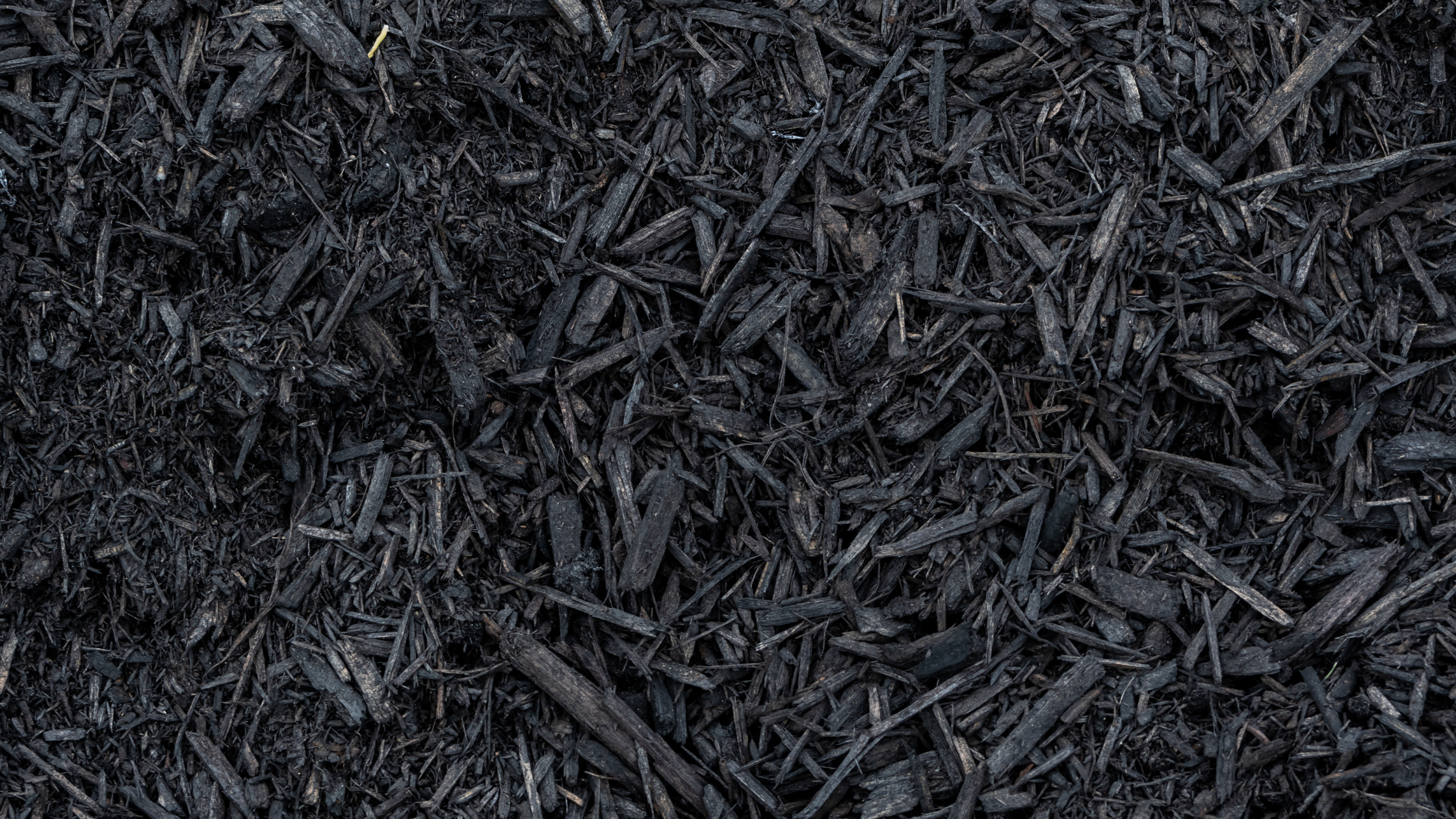
A fresh layer of mulch does more than make your landscape look polished—it also acts as insulation for your soil.
Applying two to three inches of mulch around trees, shrubs, and perennial beds helps:
Retain valuable soil moisture
Keep root systems cooler during extreme heat
Reduce weed growth that competes for water
Improve soil health as organic mulch naturally breaks down
Be sure to keep mulch a few inches away from the base of trees and shrubs to promote healthy airflow and prevent excess moisture around the trunk.
Hold Off on Fertilizing During Extreme Heat
While fertilizer encourages new growth, summer heat isn't the ideal time for many plants to produce it.
During periods of excessive heat, plants naturally shift their energy toward survival rather than growth. Fertilizing at this time can create additional stress and increase the need for water.
If your landscape is experiencing prolonged high temperatures, wait until conditions moderate before applying fertilizer. Your plants will respond much better once they're no longer under heat stress.
Don't Forget About Containers
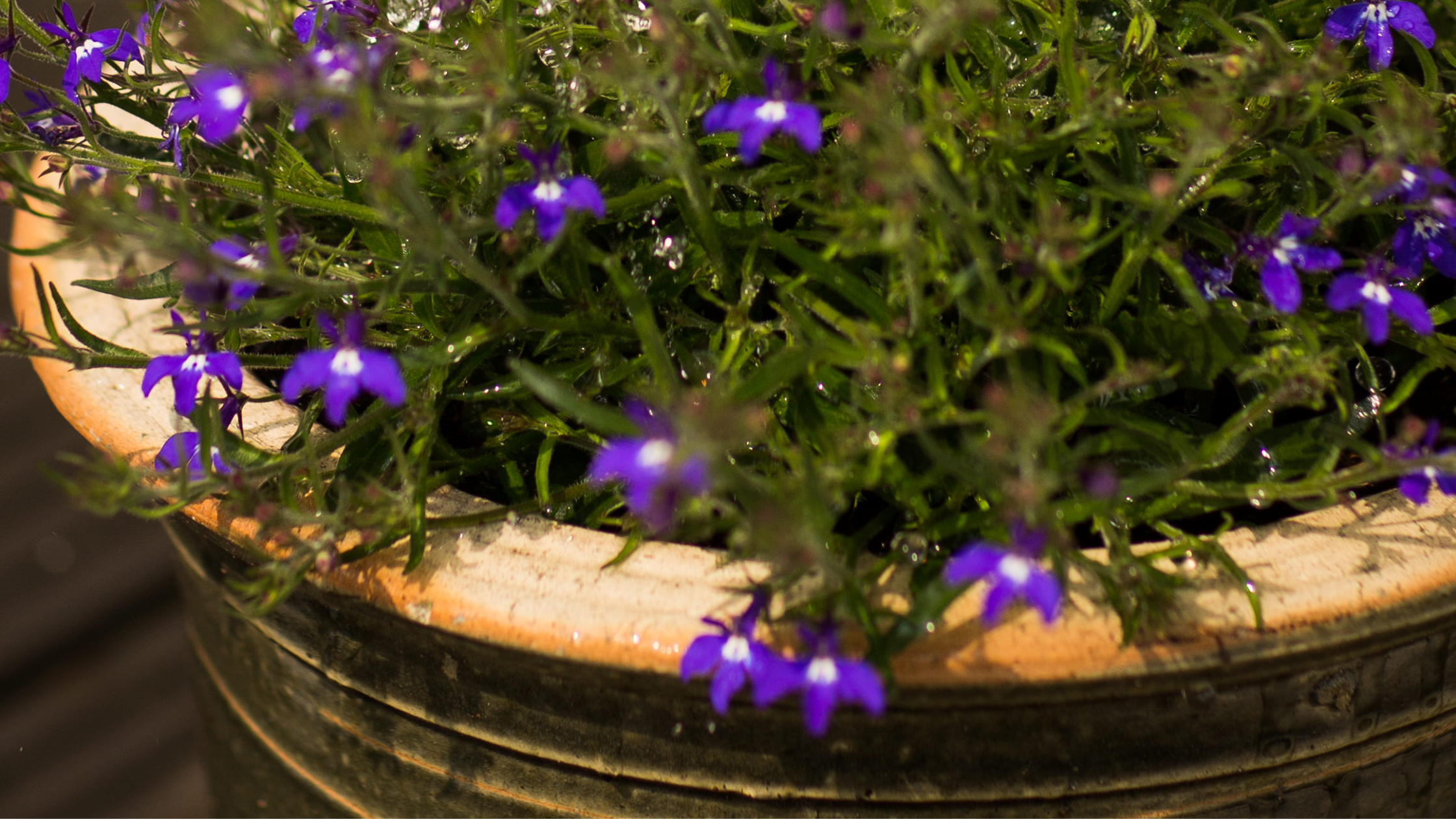
Container gardens and hanging baskets are often the first to show signs of heat stress.
Unlike plants growing in the ground, containers have a limited amount of soil, which means they dry out much more quickly. During particularly hot stretches, they may need watering once or even twice a day, depending on their size, location, and the plants they contain.
Check containers regularly by feeling the soil a few inches below the surface rather than relying solely on appearance.
A Healthy Summer Garden Starts with Smart Care
A thriving summer landscape isn't about working harder—it's about working smarter. Deep watering, proper mulching, thoughtful timing, and understanding your plants' needs can help your garden remain beautiful throughout the season.
If you're looking for heat-tolerant plants, fresh mulch, or expert advice for keeping your landscape at its best this summer, stop by Mayfield Gardens. Our team is always happy to help you find the right plants and solutions for your outdoor space.
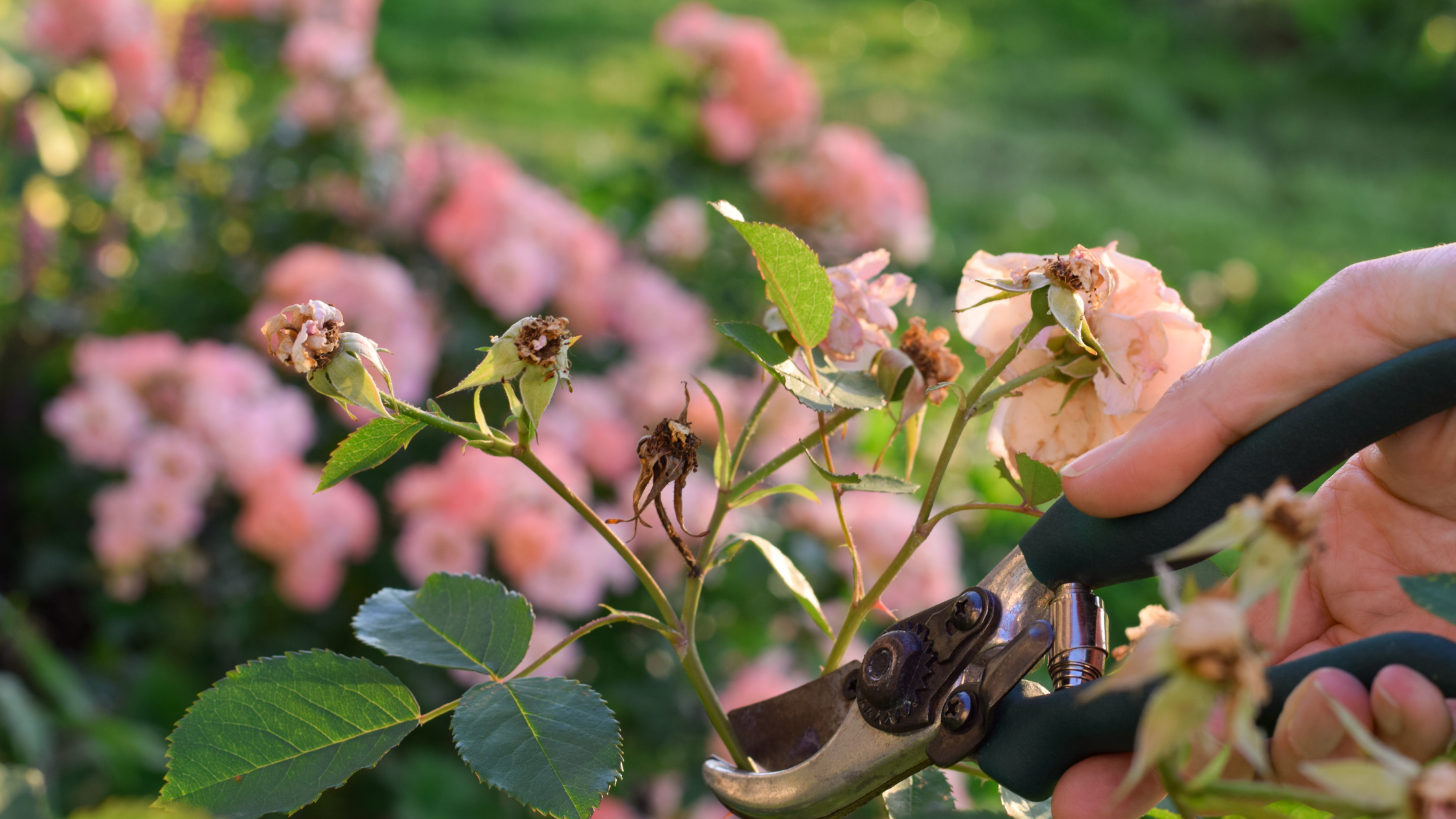
Plants to Deadhead in July - A Mid Summer Refresh
By the time July rolls around, your garden has likely put on its biggest show of the season. Hydrangeas are bursting with color, roses have been blooming for weeks, and pollinators are busy visiting every flower they can find.
But if your landscape is starting to look a little tired, don't worry—it's completely normal. One of the easiest ways to keep your garden looking fresh through the rest of summer is a simple task called deadheading.
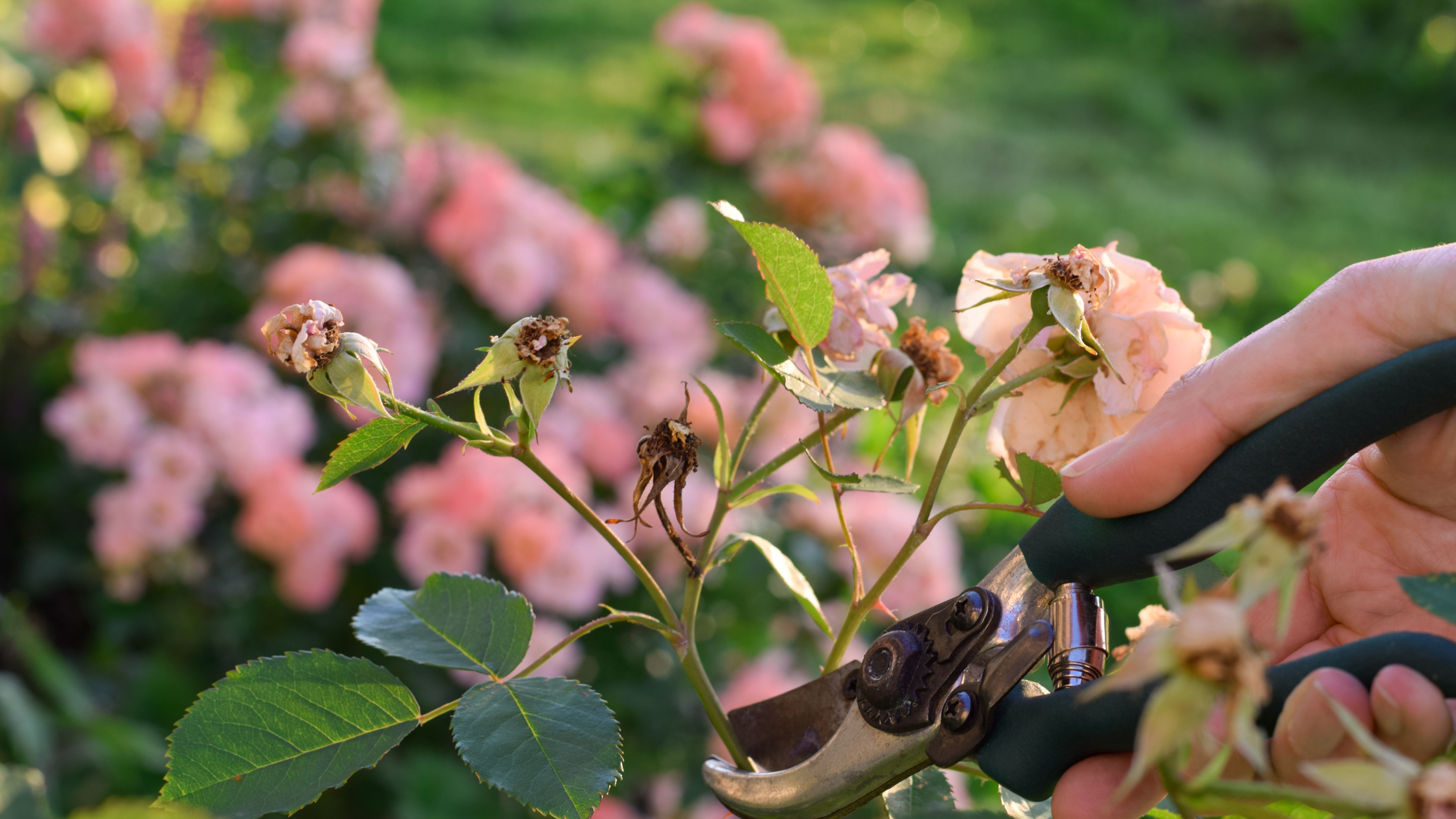
What Is Deadheading?
Deadheading is the process of removing spent or fading flowers before they begin producing seeds.
Instead of directing energy toward seed production, many flowering plants will redirect that energy into producing new buds, healthier foliage, and—in many cases—a second flush of blooms later in the season.
It's a quick gardening task that can make a noticeable difference in both the appearance and performance of your landscape.
Why Deadhead in July?
July is the perfect time for a mid-season refresh.
Many spring and early summer bloomers are beginning to fade, but there's still plenty of growing season left. By removing old flowers now, you're encouraging plants to continue blooming well into late summer and even early fall.
Deadheading also helps:
Keep garden beds looking neat and well-maintained
Encourage repeat blooming on many varieties
Reduce unwanted self-seeding in certain plants
Improve airflow through dense plants
Allow you to enjoy fresh flowers for cutting arrangements
Roses
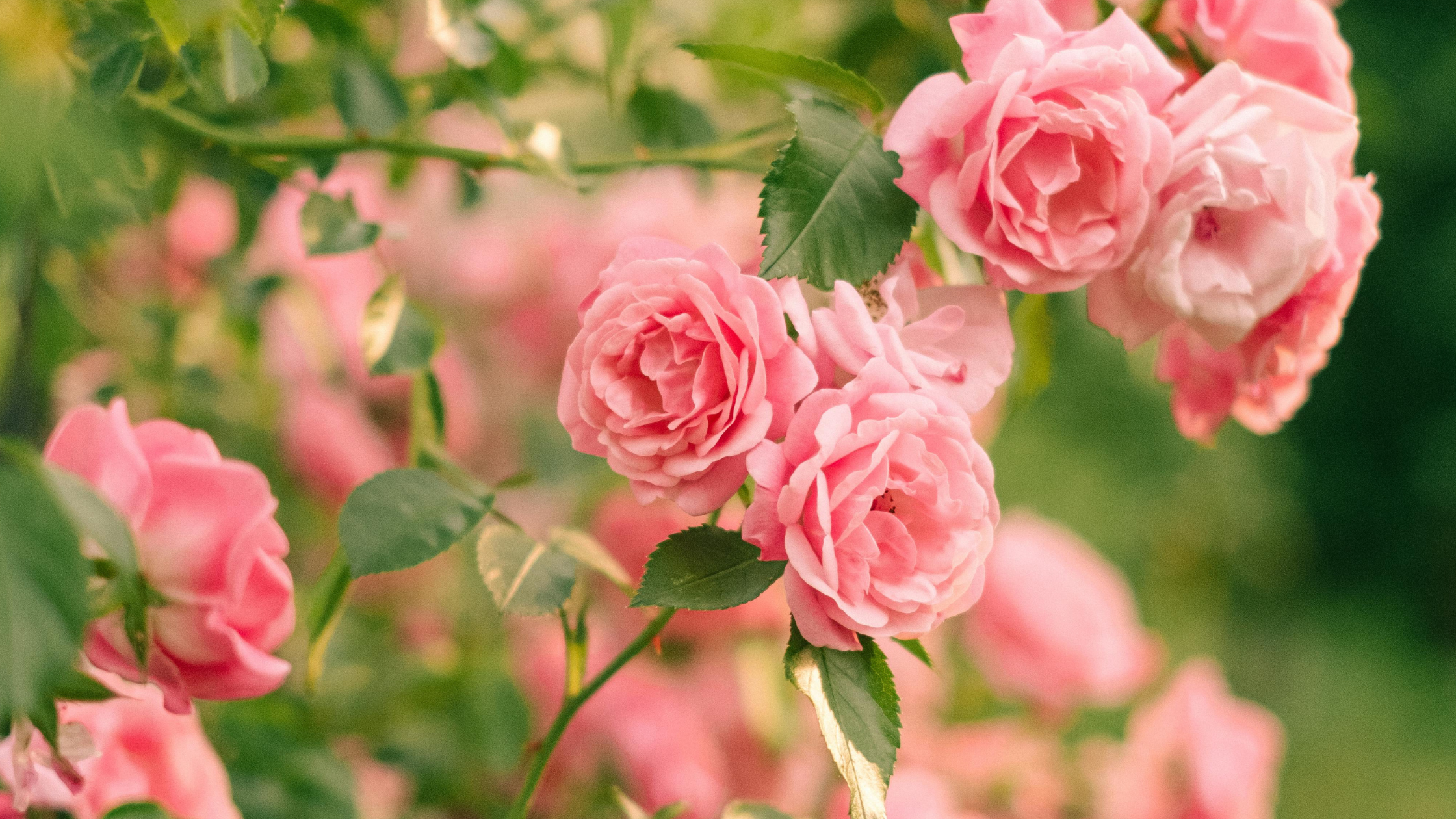
Many modern roses will continue blooming throughout the season with regular deadheading.
Remove faded blooms by cutting just above the first healthy set of five leaflets. This encourages the plant to produce new flowering stems while keeping your rose bushes looking tidy.
Some newer rose varieties are "self-cleaning" and naturally drop spent blooms, but many traditional garden roses still benefit from regular pruning.
Salvia
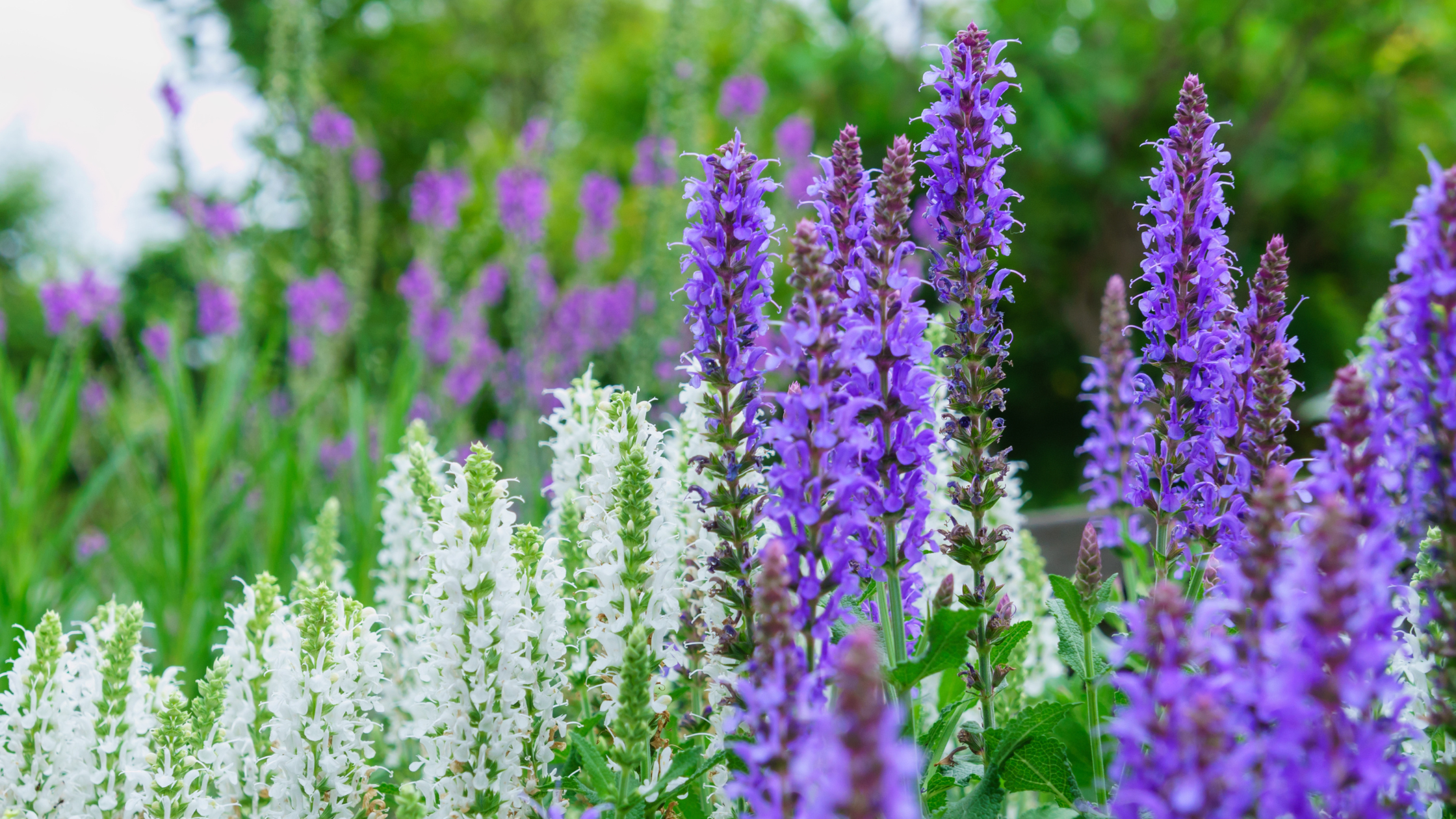
Salvia is one of the hardest-working perennials in the summer garden, attracting bees, butterflies, and hummingbirds throughout the season
Once the flower spikes begin to fade, trim them back to just above a healthy set of leaves. Within a few weeks, you'll often be rewarded with fresh blooms and a fuller, bushier plant.
Hydrangeas
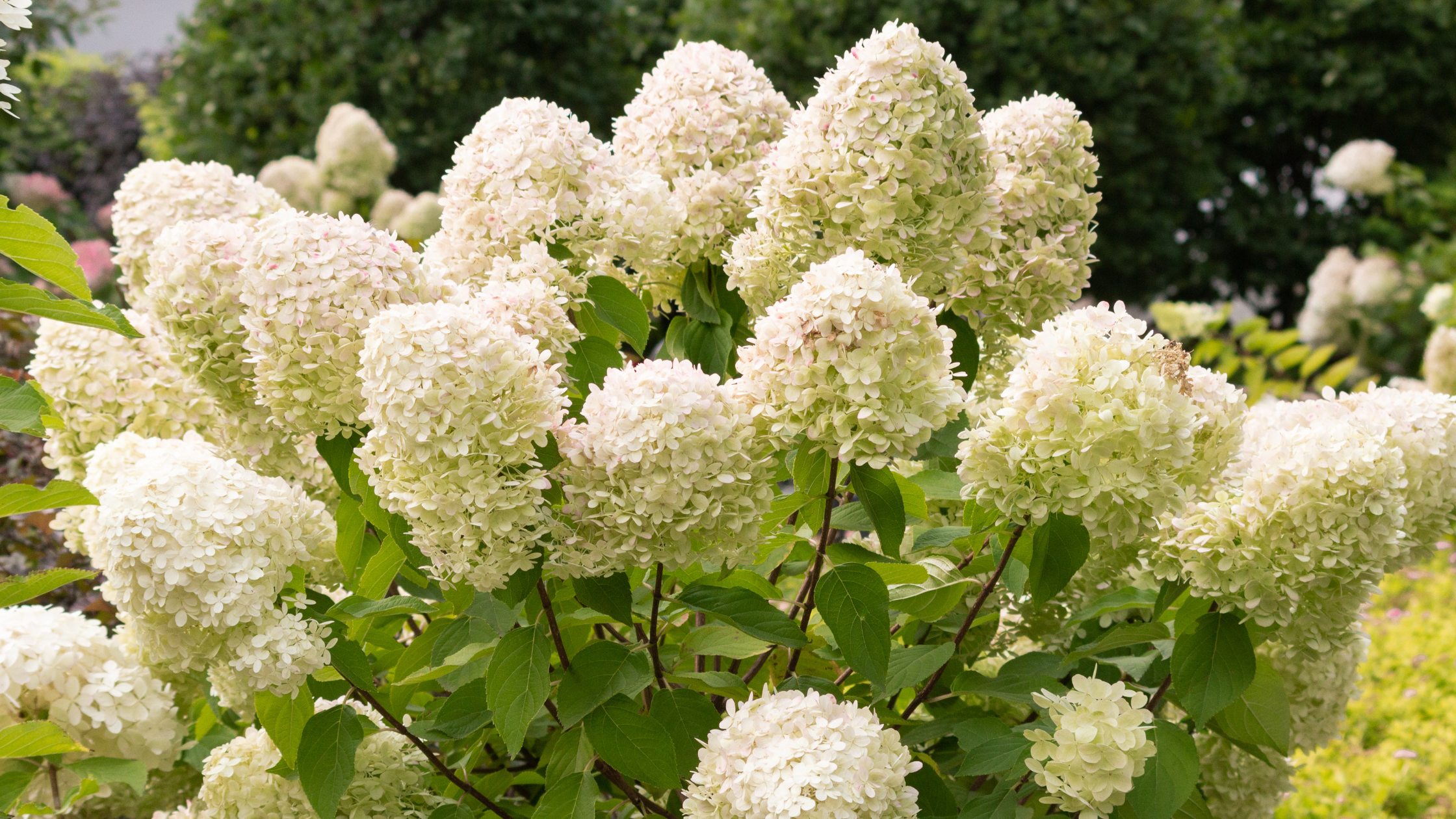
If you grow reblooming hydrangeas, deadheading can encourage another round of flowers later in the season.
Using clean pruners, remove faded flower heads just above the first healthy pair of leaves beneath the bloom. Be careful not to remove developing buds, especially on varieties that bloom on old wood.
Not sure which type of hydrangea you have? The team at Mayfield Gardens is always happy to help identify your variety and recommend the best pruning approach.
Coneflowers (Echinacea)
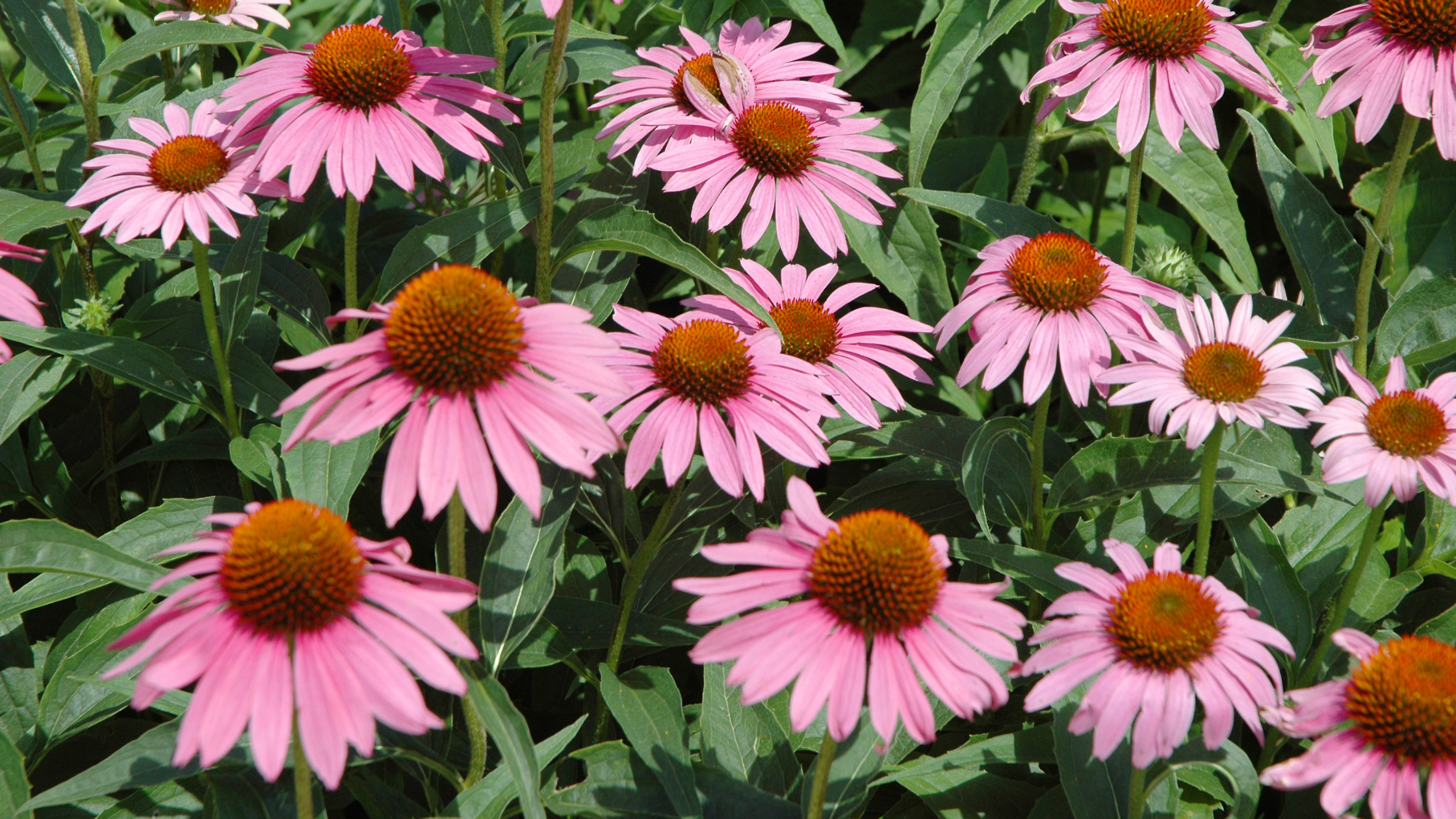
Coneflowers are known for their long-lasting blooms and their ability to attract pollinators throughout the summer.
If you'd like to encourage a tidier appearance and reduce self-seeding, remove fading flowers throughout July by cutting the stem back to the nearest set of leaves.
If you enjoy watching birds in your garden, consider leaving a few seed heads in place later in the season. Goldfinches are especially fond of them.
Dahlias
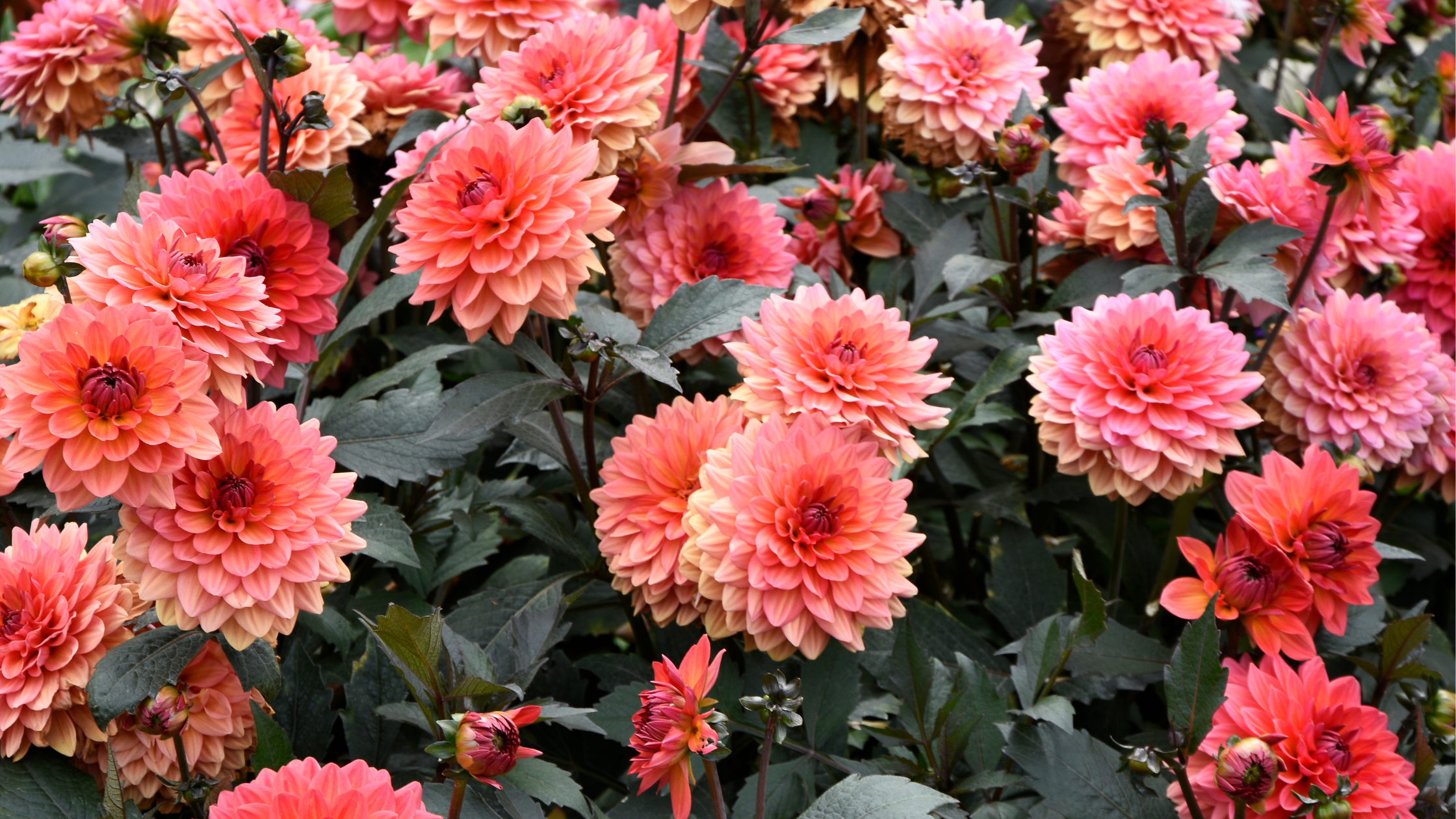
Few flowers reward regular deadheading like dahlias.
Every spent bloom you remove encourages the plant to produce another. Throughout summer, don't hesitate to cut flowers for bouquets—harvesting blooms has the same effect as deadheading and helps keep your dahlias producing until the first frost.
Keep Your Garden Blooming All Season
A few minutes spent deadheading each week can make a remarkable difference in the health, beauty, and longevity of your summer garden. If you're unsure which plants should be deadheaded—or how much to remove—stop by Mayfield Gardens. Our team is always happy to answer questions, identify your plants, and help you keep your landscape thriving through the rest of the season.
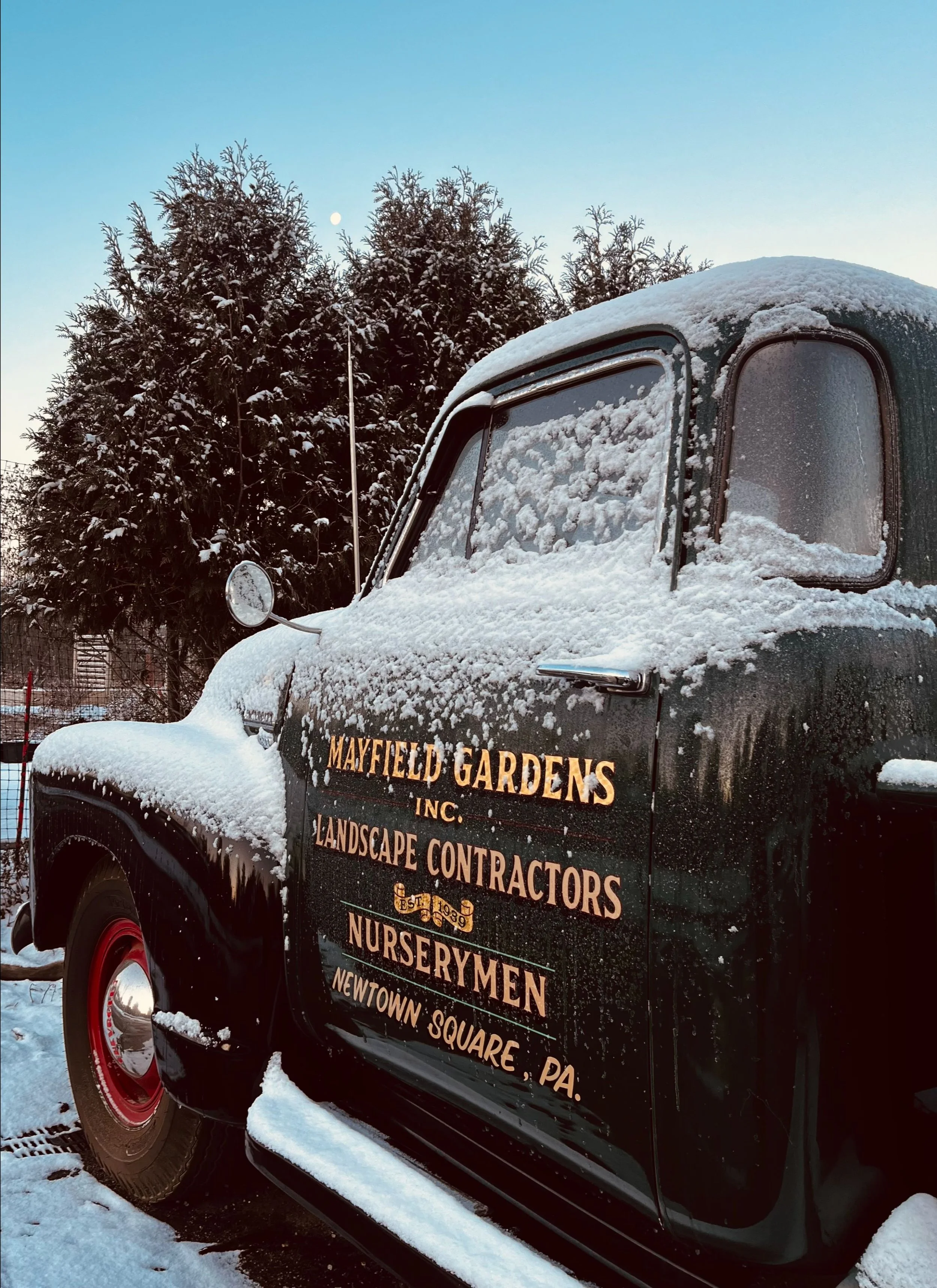
Winter Garden Prep Checklist for Pennsylvania Homeowners
Pennsylvania winters can be unpredictable — freezing temps, snow, ice, and sudden thaws all take a toll on landscapes. Proper winter preparation protects your plants, improves spring growth, and saves time and money next season.
Pennsylvania winters are unpredictable. One week may bring mild temperatures, while the next delivers freezing rain, snow, and deep cold. Preparing your garden and landscape before winter arrives helps protect your investment, reduces spring cleanup, and ensures healthier plants when the growing season returns.
A proactive approach to winter garden prep helps minimize damage caused by freezing temperatures, fluctuating weather, and heavy snowfall. Addressing key areas of your landscape before winter sets in creates a strong foundation for healthier growth come spring.
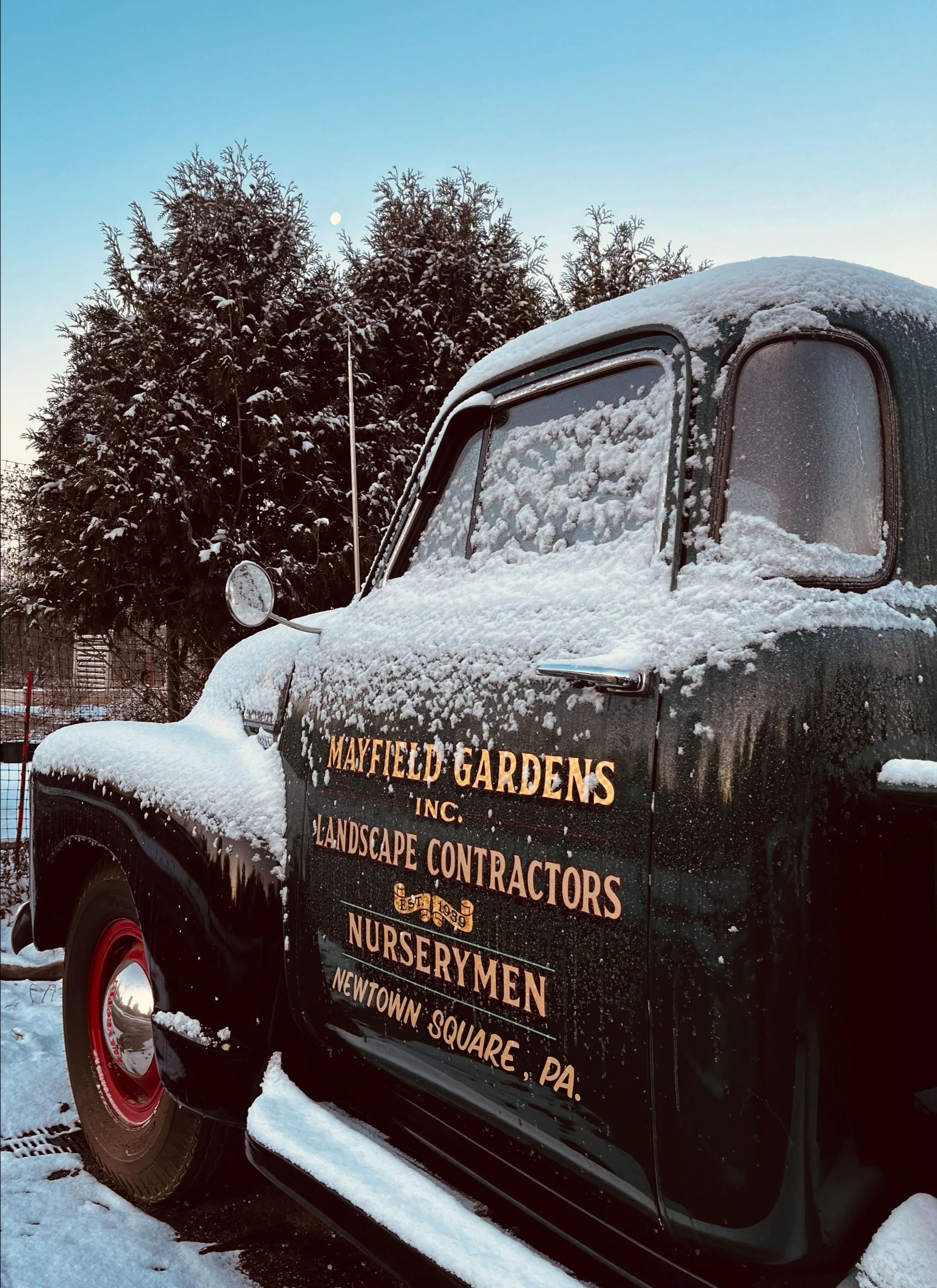
Whether you’re a homeowner, property manager, or HOA board member, following a thoughtful winter prep checklist is one of the most important steps you can take for long-term landscape success in southeastern Pennsylvania.
Clean Up Your Garden — Strategically
Fall cleanup is an important step in winter preparation, but it’s best approached with intention rather than removing everything at once. Knowing what to clear and what to leave behind helps protect plants and soil during colder months.
Start by removing:
Diseased or pest-damaged plants
Fallen fruit or rotting vegetation
Annuals that have finished their growing cycle
Removing unhealthy plant material helps prevent pests and disease from overwintering in your garden. This targeted cleanup reduces problems in spring while keeping beneficial elements of the landscape intact.
Not everything should be cut back or cleared away before winter. Leave healthy perennials, ornamental grasses, and seed heads in place where possible. These provide natural insulation, protect beneficial insects, and help trap snow that insulates soil during freezing temperatures.
Protect Your Soil Before the Ground Freezes
Soil protection is one of the most overlooked aspects of winter garden prep. Yet healthy soil plays a critical role in insulating roots and maintaining moisture levels throughout the winter season. Healthy soil is the foundation of a successful landscape, especially through winter.
Apply Mulch for Insulation
Applying mulch before winter arrives is one of the most effective ways to protect garden beds from Pennsylvania’s freeze-thaw cycles.
Adding mulch before winter helps regulate soil temperature, retain moisture, and prevent erosion. In Pennsylvania, a 2–4 inch layer of mulch is ideal for winter protection.
When applied correctly, winter mulch provides several key benefits:
Prevent repeated freeze-thaw cycles
Protect plant roots
Improve soil structure over time
A consistent mulch layer acts as insulation for the soil, keeping temperatures more stable during periods of extreme cold. Be careful not to pile mulch directly against tree trunks or plant crowns, as this can lead to rot and pest issues.
Water Thoroughly Before Winter Sets In
Many gardeners stop watering too early. As temperatures cool, many gardeners assume watering is no longer necessary. However, proper hydration before winter is essential for plant survival, particularly during dry autumns. Deep watering in late fall is critical, especially for:
Newly planted trees and shrubs
Evergreens
Plants installed during the fall season
Plants that enter winter well-hydrated are better able to withstand cold temperatures, drying winds, and environmental stress. This simple step can significantly reduce winter damage and spring replacement costs.
Protect Trees and Shrubs from Winter Damage
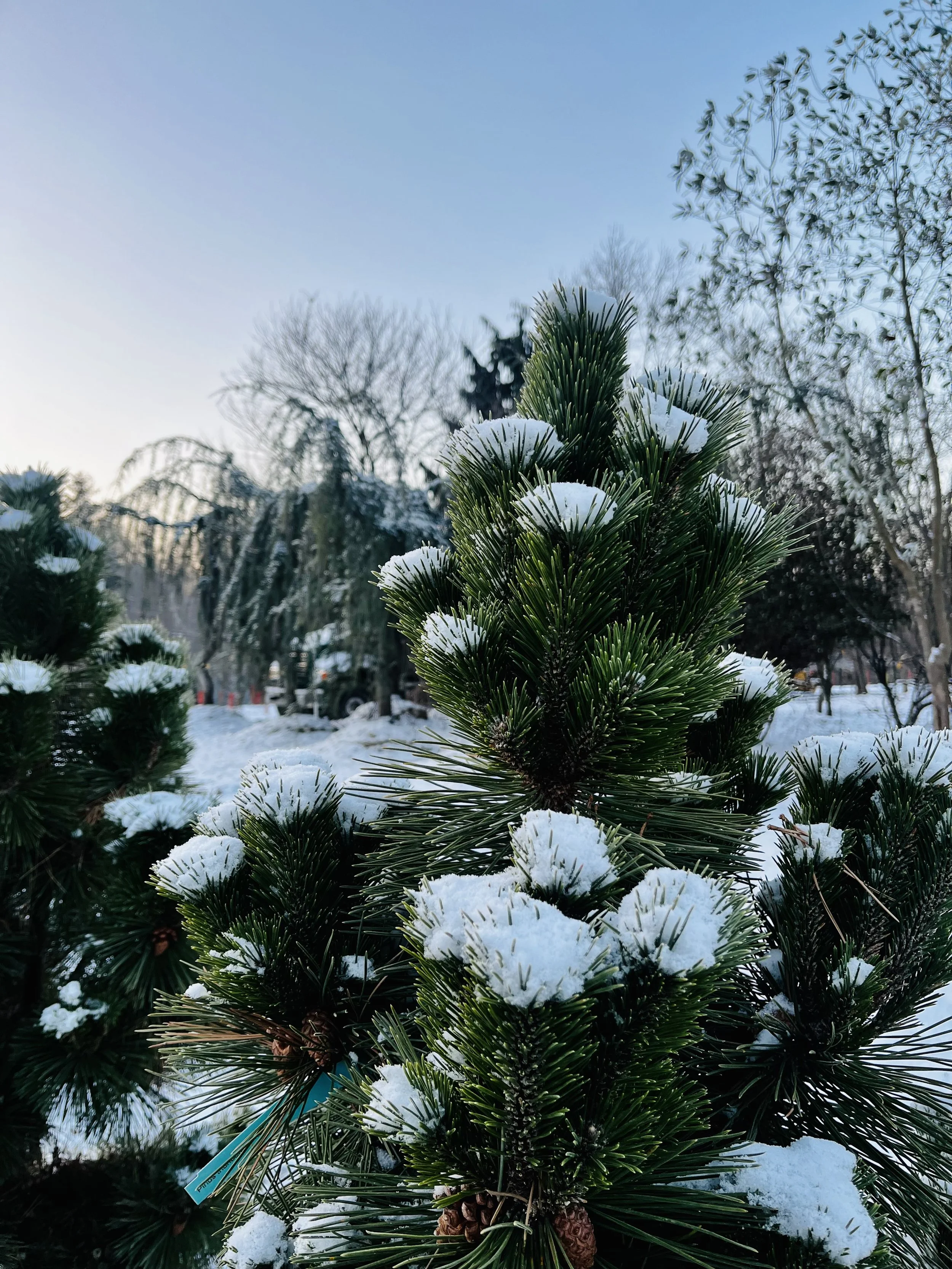
Exposed trees and shrubs are particularly vulnerable during Pennsylvania winters, especially those affected by wind, snow accumulation, and temperature swings.
Consider:
Burlap wraps for vulnerable shrubs
Tree guards for young trees
Wind barriers for properties exposed to open fields or roads
These protective measures help prevent moisture loss, bark damage, and breakage caused by snow and ice. Thoughtful protection now can preserve plant health and structure through the coldest months.
Prepare Garden Beds and Hardscapes
Final preparation of garden beds and surrounding hardscapes helps prevent long-term soil and structural issues during winter.
Before winter:
Remove debris from garden beds
Edge beds to prevent soil erosion
Avoid walking on frozen or waterlogged soil to prevent compaction
These final steps protect soil integrity and reduce cleanup demands in spring. Well-prepared beds and hardscapes emerge from winter in better condition, making seasonal maintenance faster and more efficient.
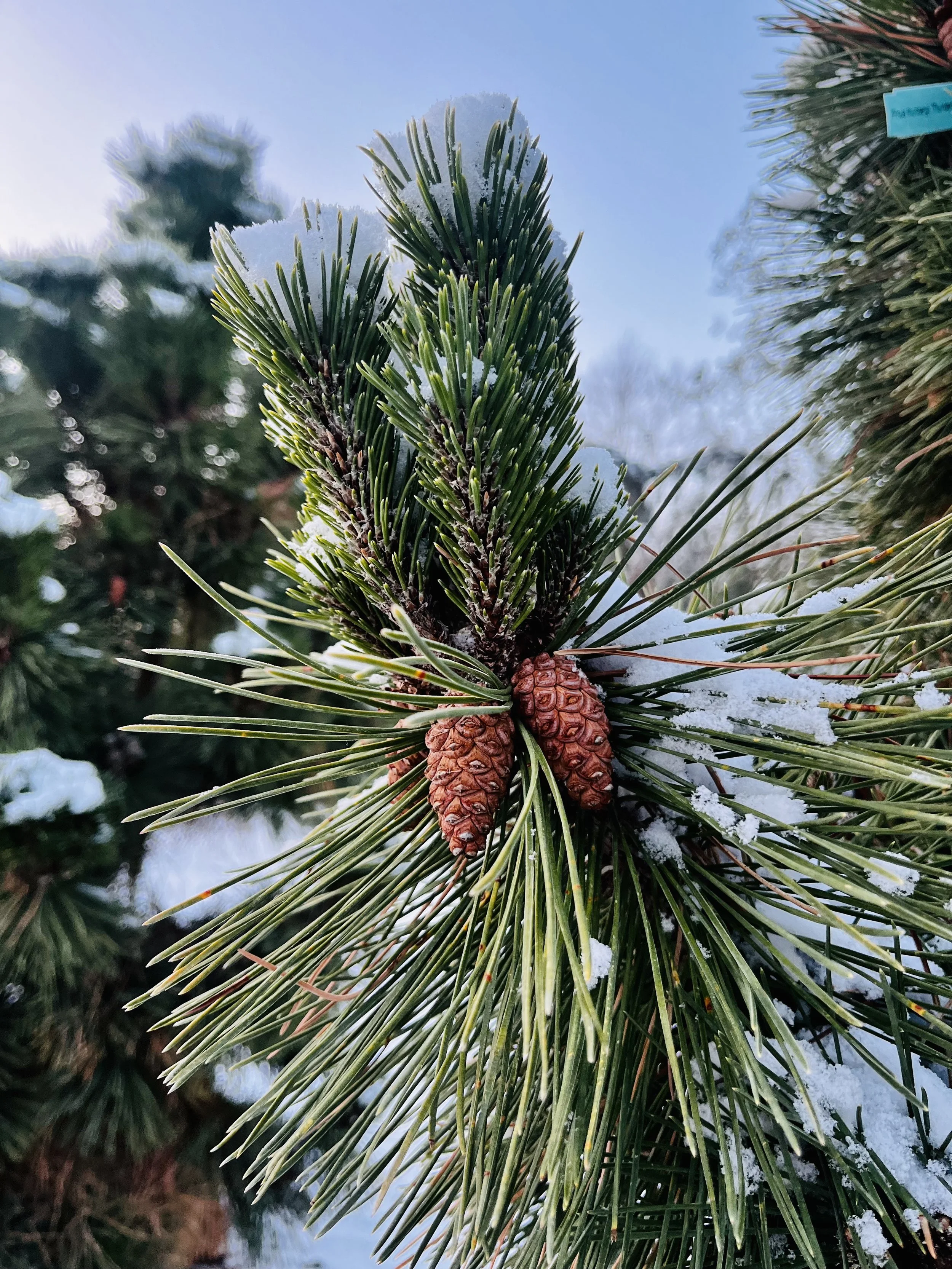
Need Help with Winter Landscape Prep?
Mayfield Gardens provides premium mulch, soil, and seasonal landscape support for homeowners, HOAs, and commercial properties throughout Delaware County and the Main Line. From mulch delivery to full-scale property preparation, we’re here to help protect your landscape through winter. Contact us today to schedule winter prep services.