
Winter Garden Prep Checklist for Pennsylvania Homeowners
Pennsylvania winters are unpredictable. One week may bring mild temperatures, while the next delivers freezing rain, snow, and deep cold. Preparing your garden and landscape before winter arrives helps protect your investment, reduces spring cleanup, and ensures healthier plants when the growing season returns.
A proactive approach to winter garden prep helps minimize damage caused by freezing temperatures, fluctuating weather, and heavy snowfall. Addressing key areas of your landscape before winter sets in creates a strong foundation for healthier growth come spring.
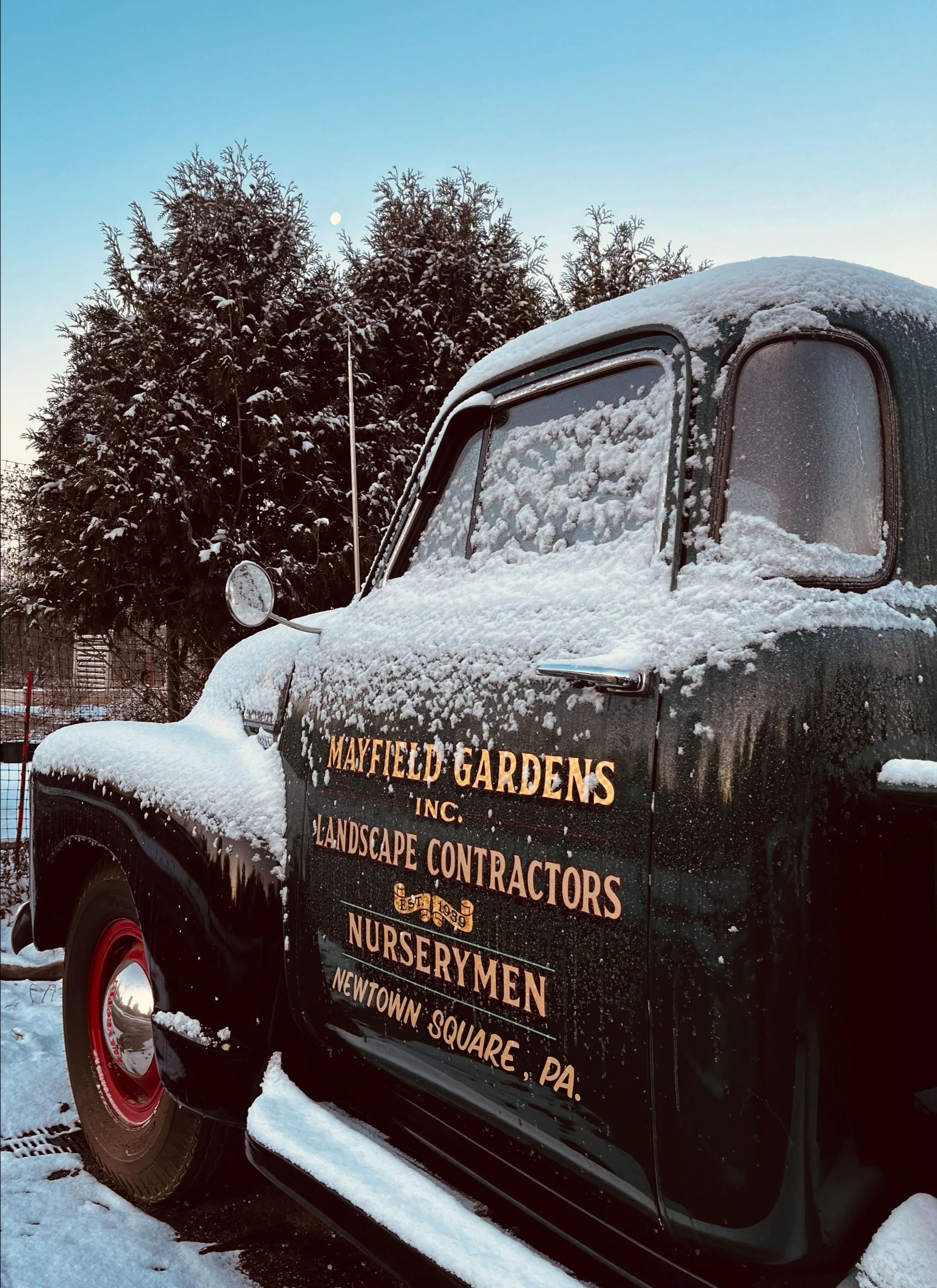
Whether you’re a homeowner, property manager, or HOA board member, following a thoughtful winter prep checklist is one of the most important steps you can take for long-term landscape success in southeastern Pennsylvania.
Clean Up Your Garden — Strategically
Fall cleanup is an important step in winter preparation, but it’s best approached with intention rather than removing everything at once. Knowing what to clear and what to leave behind helps protect plants and soil during colder months.
Start by removing:
Diseased or pest-damaged plants
Fallen fruit or rotting vegetation
Annuals that have finished their growing cycle
Removing unhealthy plant material helps prevent pests and disease from overwintering in your garden. This targeted cleanup reduces problems in spring while keeping beneficial elements of the landscape intact.
Not everything should be cut back or cleared away before winter. Leave healthy perennials, ornamental grasses, and seed heads in place where possible. These provide natural insulation, protect beneficial insects, and help trap snow that insulates soil during freezing temperatures.
Protect Your Soil Before the Ground Freezes
Soil protection is one of the most overlooked aspects of winter garden prep. Yet healthy soil plays a critical role in insulating roots and maintaining moisture levels throughout the winter season. Healthy soil is the foundation of a successful landscape, especially through winter.
Apply Mulch for Insulation
Applying mulch before winter arrives is one of the most effective ways to protect garden beds from Pennsylvania’s freeze-thaw cycles.
Adding mulch before winter helps regulate soil temperature, retain moisture, and prevent erosion. In Pennsylvania, a 2–4 inch layer of mulch is ideal for winter protection.
When applied correctly, winter mulch provides several key benefits:
Prevent repeated freeze-thaw cycles
Protect plant roots
Improve soil structure over time
A consistent mulch layer acts as insulation for the soil, keeping temperatures more stable during periods of extreme cold. Be careful not to pile mulch directly against tree trunks or plant crowns, as this can lead to rot and pest issues.
Water Thoroughly Before Winter Sets In
Many gardeners stop watering too early. As temperatures cool, many gardeners assume watering is no longer necessary. However, proper hydration before winter is essential for plant survival, particularly during dry autumns. Deep watering in late fall is critical, especially for:
Newly planted trees and shrubs
Evergreens
Plants installed during the fall season
Plants that enter winter well-hydrated are better able to withstand cold temperatures, drying winds, and environmental stress. This simple step can significantly reduce winter damage and spring replacement costs.
Protect Trees and Shrubs from Winter Damage
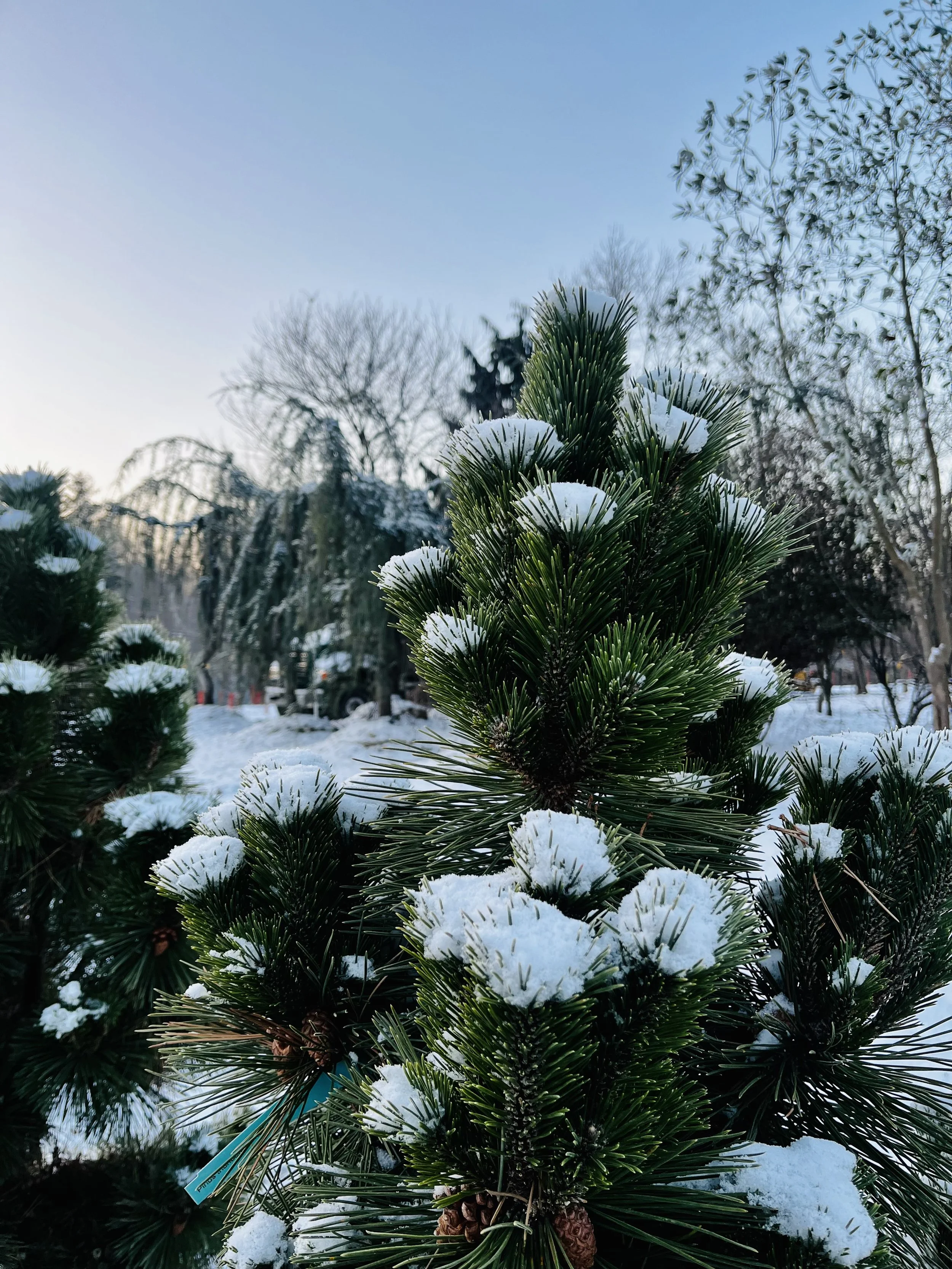
Exposed trees and shrubs are particularly vulnerable during Pennsylvania winters, especially those affected by wind, snow accumulation, and temperature swings.
Consider:
Burlap wraps for vulnerable shrubs
Tree guards for young trees
Wind barriers for properties exposed to open fields or roads
These protective measures help prevent moisture loss, bark damage, and breakage caused by snow and ice. Thoughtful protection now can preserve plant health and structure through the coldest months.
Prepare Garden Beds and Hardscapes
Final preparation of garden beds and surrounding hardscapes helps prevent long-term soil and structural issues during winter.
Before winter:
Remove debris from garden beds
Edge beds to prevent soil erosion
Avoid walking on frozen or waterlogged soil to prevent compaction
These final steps protect soil integrity and reduce cleanup demands in spring. Well-prepared beds and hardscapes emerge from winter in better condition, making seasonal maintenance faster and more efficient.
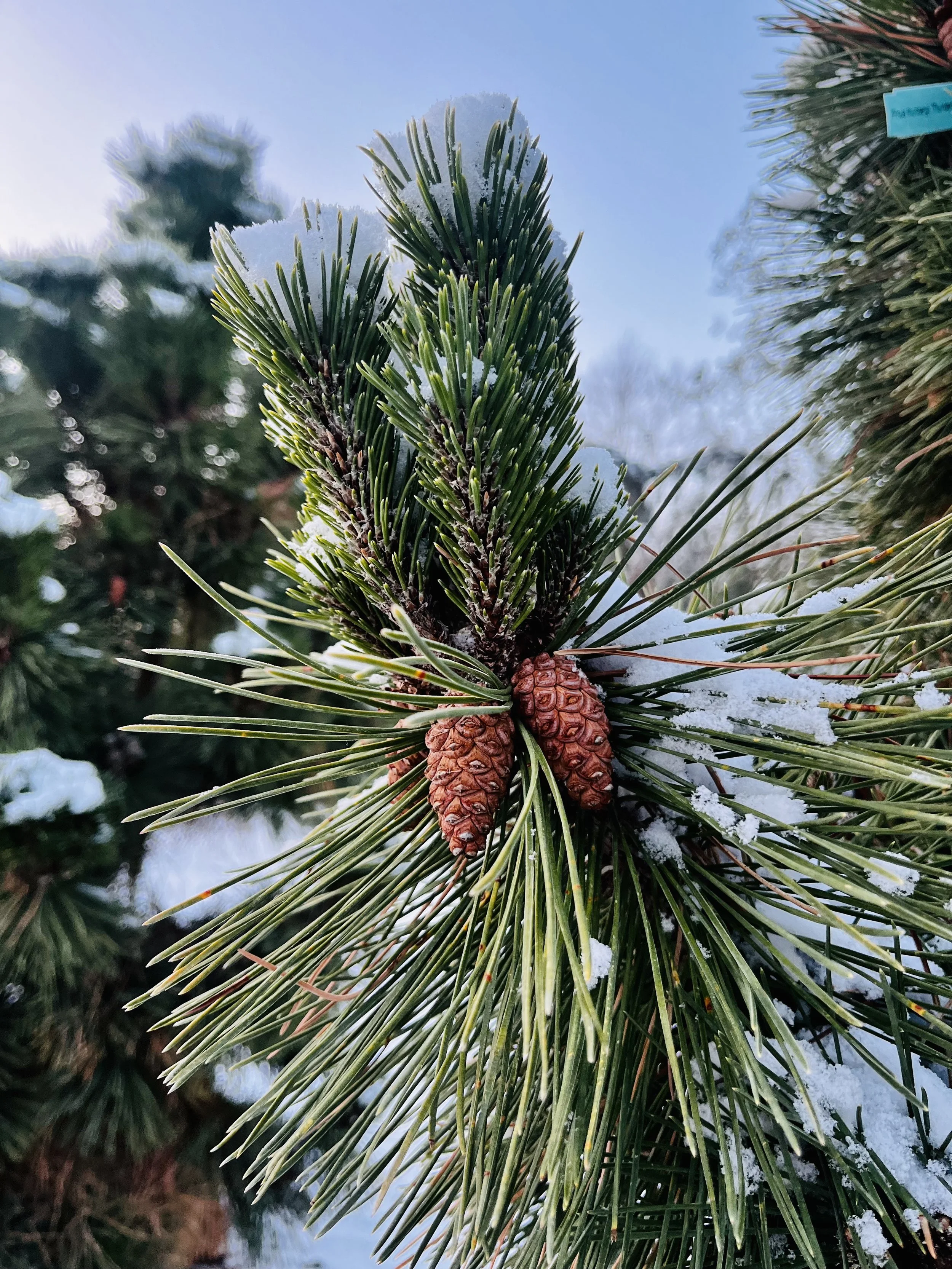
Need Help with Winter Landscape Prep?
Mayfield Gardens provides premium mulch, soil, and seasonal landscape support for homeowners, HOAs, and commercial properties throughout Delaware County and the Main Line. From mulch delivery to full-scale property preparation, we’re here to help protect your landscape through winter. Contact us today to schedule winter prep services.